Introduction
Pulmonary hypertension is a serious medical condition involving abnormally high blood pressure in the blood vessels of the lungs. It can increase the workload on the right side of the heart and, without appropriate management, may lead to progressive heart dysfunction. Treatment may involve specialized medications, diagnostic heart catheterization, oxygen therapy, hospital care, and regular specialist monitoring.
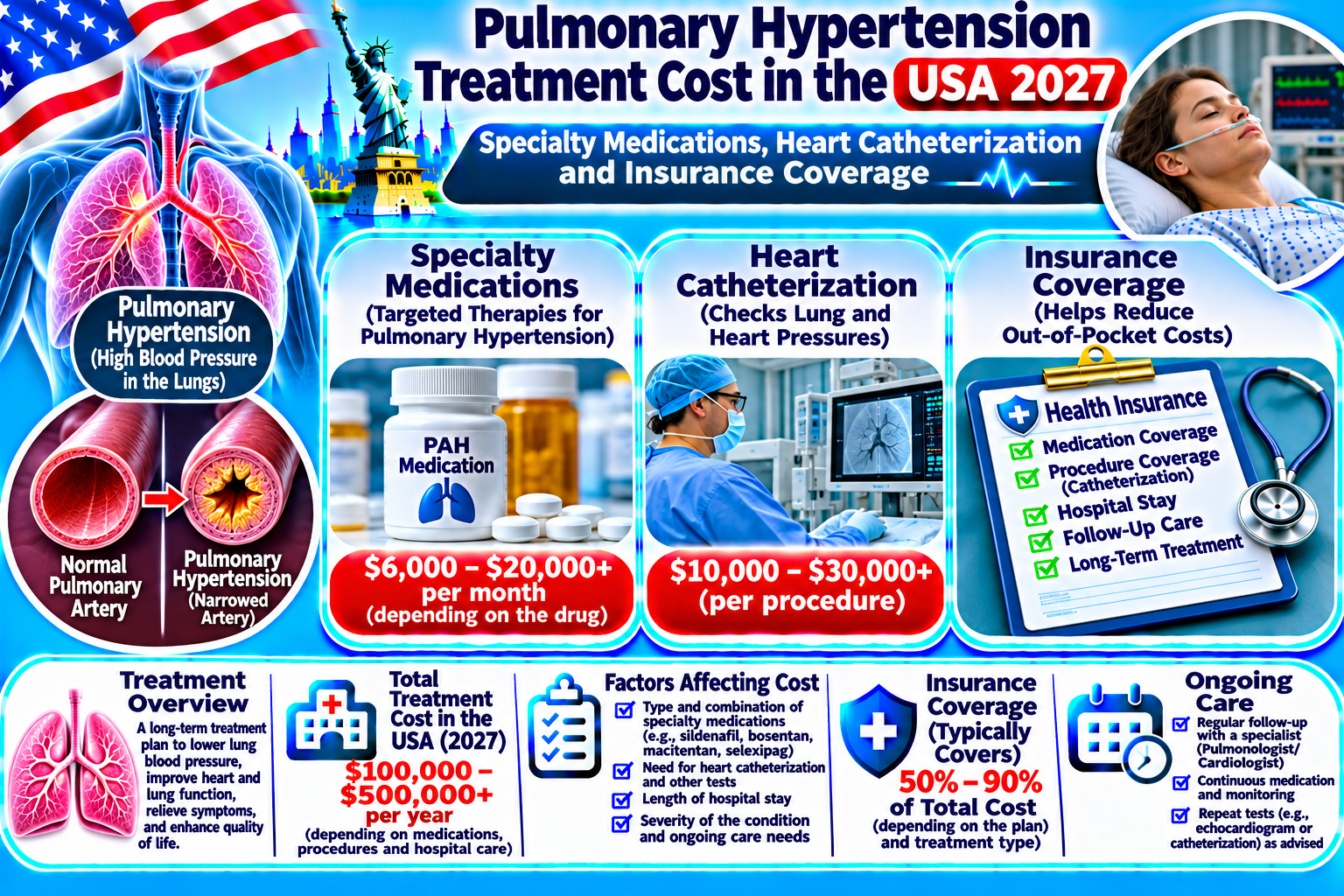
Understanding pulmonary hypertension treatment costs in the USA in 2027 is important for patients and families comparing specialty medication prices, right heart catheterization expenses, pulmonologist fees, cardiology services, and health insurance coverage.
Expenses vary considerably according to the type of pulmonary hypertension, disease severity, prescribed medications, insurance arrangements, and the frequency of medical monitoring. Some patients require relatively affordable generic medications, while others need advanced therapies costing thousands of dollars per month.
This guide explains estimated American pulmonary hypertension treatment expenses for 2027, including diagnostic testing, medications, hospital bills, insurance benefits, and long-term financial planning.
What Is Pulmonary Hypertension?
Pulmonary hypertension, commonly abbreviated as PH, describes elevated pressure within the pulmonary circulation. It can result from several different diseases affecting blood vessels, the heart, or the lungs.
Pulmonary arterial hypertension, or PAH, is a specific form of pulmonary hypertension involving changes in the small pulmonary arteries.
It is important to distinguish PAH from other forms of pulmonary hypertension because treatment approaches differ significantly.
Right heart catheterization is the definitive test used to measure pulmonary pressures and help classify the condition.
Five Main Groups of Pulmonary Hypertension
Group 1: Pulmonary Arterial Hypertension
PAH may be idiopathic, inherited, associated with connective tissue disease, or linked to certain other medical conditions.
Patients may receive targeted therapies such as endothelin receptor antagonists, phosphodiesterase type 5 inhibitors, prostacyclin-pathway medications, or other approved treatments.
Group 2: Pulmonary Hypertension Due to Left Heart Disease
This form develops because of conditions such as heart failure or significant heart valve disease.
Treatment primarily focuses on the underlying cardiac condition rather than routinely using PAH-specific medications.
Group 3: Pulmonary Hypertension Due to Lung Disease or Hypoxia
Chronic lung disorders and low oxygen levels may contribute to pulmonary hypertension.
Management can include treatment of the underlying lung disease, oxygen therapy when indicated, and selected specialized treatments.
Group 4: Chronic Thromboembolic Pulmonary Hypertension
Chronic thromboembolic pulmonary hypertension, or CTEPH, results from persistent obstruction of pulmonary arteries by organized blood clots.
Selected patients may benefit from pulmonary thromboendarterectomy, balloon pulmonary angioplasty, or medical therapy.
Group 5: Pulmonary Hypertension With Unclear or Multiple Mechanisms
This group includes conditions in which pulmonary hypertension develops through several interacting mechanisms.
Management requires individualized evaluation by specialists.
Common Symptoms of Pulmonary Hypertension
- Shortness of breath during physical activity.
- Unusual fatigue or weakness.
- Chest discomfort or pressure.
- Dizziness or fainting.
- Swelling in the legs or ankles.
- Rapid heartbeat or palpitations.
- Reduced exercise tolerance.
- Breathing difficulties during advanced disease.
Symptoms can resemble those of other heart and lung conditions. Chest pain, fainting, or severe breathing difficulty requires urgent medical assessment.
How Is Pulmonary Hypertension Diagnosed?
Echocardiogram
An echocardiogram uses ultrasound to evaluate heart structure, right ventricular function, and findings that may suggest elevated pulmonary pressure.
It is an important screening and monitoring tool but cannot independently confirm every type of pulmonary hypertension.
Right Heart Catheterization
Right heart catheterization measures pressures inside the right heart and pulmonary arteries.
The procedure also helps evaluate pulmonary vascular resistance and distinguish different hemodynamic forms of pulmonary hypertension.
CT Scan and Lung Imaging
Chest CT and other imaging studies may help identify lung disease or abnormalities involving pulmonary blood vessels.
Ventilation-Perfusion Scan
A ventilation-perfusion scan is commonly used to evaluate possible chronic thromboembolic disease.
Pulmonary Function Tests
These tests measure lung function and may help identify respiratory conditions contributing to pulmonary hypertension.
Blood Tests and Functional Assessments
Blood testing, exercise assessments, and other investigations help evaluate disease severity and associated conditions.
Pulmonary Hypertension Treatment Options
Phosphodiesterase Type 5 Inhibitors
Sildenafil and tadalafil are used in selected patients with pulmonary arterial hypertension.
These medications support relaxation of pulmonary blood vessels and may improve exercise capacity.
Endothelin Receptor Antagonists
Medications such as bosentan, ambrisentan, and macitentan target the endothelin pathway.
Some drugs require specialized monitoring because of potential liver effects, anemia, or pregnancy-related risks.
Prostacyclin-Pathway Treatments
Prostacyclin therapies include medications such as epoprostenol, treprostinil, iloprost, and selexipag.
Depending on the medication, treatment may involve oral tablets, inhaled therapy, or continuous infusion.
Continuous infusion systems can create additional equipment, training, and supply expenses.
Sotatercept
Sotatercept, marketed as Winrevair, is an FDA-approved treatment for adults with pulmonary arterial hypertension.
It targets a different biological pathway from traditional vasodilator therapies and may be prescribed as part of a specialist-directed treatment plan.
Patients require appropriate laboratory monitoring because treatment can affect hemoglobin and platelet levels.
Riociguat
Riociguat may be used for selected patients with PAH or certain forms of chronic thromboembolic pulmonary hypertension.
It must not be combined with PDE5 inhibitors because of the risk of dangerously low blood pressure.
Oxygen and Supportive Treatment
Some patients require supplemental oxygen, diuretics, supervised exercise rehabilitation, or treatment for associated conditions.
Supportive treatment depends on the cause of pulmonary hypertension and individual medical needs.
Pulmonary Hypertension Treatment Cost in the USA in 2027
American pulmonary hypertension expenses depend heavily on whether patients need routine monitoring, oral specialty medications, infusion therapy, hospitalization, or advanced procedures.
Reliable nationwide averages for every treatment combination are limited because medication contracts, insurance payments, and treatment intensity differ considerably.
The following figures are illustrative 2027 budgeting estimates rather than verified national averages, guaranteed hospital quotations, or patient out-of-pocket payments.
Estimated USA Cost Breakdown
| Treatment or Service | Estimated Cost (USD) |
|---|---|
| Pulmonologist or Cardiologist Consultation | $200–$700+ |
| Echocardiogram | $500–$2,500+ |
| Right Heart Catheterization Episode | $5,000–$20,000+ |
| Chest CT or Advanced Imaging | $800–$4,000+ |
| Pulmonary Function Testing | $200–$1,000+ |
| Generic Sildenafil or Tadalafil | $30–$500+ per month |
| Endothelin Receptor Antagonist Therapy | $1,000–$10,000+ per month |
| Prostacyclin-Pathway Medication | $3,000–$25,000+ per month |
| Sotatercept Treatment | $10,000–$25,000+ per month equivalent, illustrative gross cost |
| Home Oxygen Equipment and Supplies | $100–$600+ per month |
| Hospital Admission for Complications | $10,000–$50,000+ |
| Intensive Care Hospitalization | $30,000–$150,000+ |
Important: These are hypothetical planning ranges. Specialty medication prices can change considerably with dose, product, insurance contract, and assistance programs. Hospital episode estimates may already include physician services, diagnostic tests, and medication charges.
USA Pulmonary Hypertension Cost Comparison
Because this article focuses on the United States, the following table compares different American treatment scenarios rather than international countries.
| USA Treatment Scenario | Illustrative Annual Budget |
|---|---|
| Monitoring and Lower-Cost Medication | $3,000–$15,000+ |
| Oral Specialty Medication Treatment | $20,000–$100,000+ |
| Advanced Combination Drug Therapy | $80,000–$250,000+ |
| Infusion-Based Therapy With Monitoring | $100,000–$300,000+ |
| Severe Disease With Repeated Hospitalization | $150,000–$400,000+ |
These are illustrative annual treatment scenarios, not standardized medical packages. Actual expenses may be substantially higher or lower.
Specialty Medication Costs for Pulmonary Hypertension
Specialty medications are among the largest long-term expenses for patients with pulmonary arterial hypertension. Treatment may involve one medication or a combination of drugs targeting different biological pathways.
Generic sildenafil and tadalafil may be relatively affordable, while branded endothelin receptor antagonists, prostacyclin therapies, and newer medications can generate substantial monthly charges.
For example, sotatercept had a reported US launch list price of approximately $14,000 per vial in 2024. It is administered every three weeks, meaning the annual list-price expense can be considerable. This historical price is not a confirmed 2027 rate.
Patients should compare medication coverage, specialty pharmacy requirements, and potential financial assistance before starting treatment.
Right Heart Catheterization Costs
Right heart catheterization is essential for confirming and classifying pulmonary hypertension when clinically indicated.
A specialist introduces a catheter through a blood vessel and measures pressures in the heart and pulmonary arteries.
Expenses may include:
- Cardiology or pulmonary specialist fees.
- Catheterization laboratory charges.
- Monitoring and procedural supplies.
- Blood flow and pressure measurements.
- Medication administration when necessary.
- Recovery observation.
- Additional testing when indicated.
Repeat catheterization may be recommended in selected patients when results could change treatment decisions.
Hospital Fees and Intensive Care Expenses
Patients with severe pulmonary hypertension may require hospitalization for worsening symptoms, right-sided heart failure, arrhythmias, or other complications.
Hospital expenses may include emergency evaluation, imaging, intravenous medications, oxygen support, specialist consultations, and intensive monitoring.
Patients with advanced right heart failure may require intensive care and specialized circulatory support.
Hospitalization length and treatment complexity strongly influence the final bill.
Infusion Therapy and Medical Equipment Costs
Some patients receive continuous intravenous or subcutaneous prostacyclin therapy.
These treatments may require infusion pumps, catheters, sterile supplies, medication preparation, and specialized patient training.
Equipment maintenance, supply deliveries, and nursing support can create additional ongoing expenses.
Interrupting certain continuous prostacyclin infusions can be dangerous. Patients should follow their specialist team’s instructions carefully.
Pulmonary Hypertension Treatment With Health Insurance
Many comprehensive American health insurance plans cover medically necessary pulmonary hypertension evaluation and treatment, including eligible medications, catheterization, and hospital services.
However, coverage depends on the patient’s diagnosis, insurance policy, medication formulary, and provider network.
Important insurance considerations include:
- Annual deductible and out-of-pocket maximum.
- Specialty pharmacy and medication formulary rules.
- Prior authorization for advanced therapies.
- Coverage for right heart catheterization.
- Pulmonologist and cardiologist network participation.
- Home infusion equipment and supplies.
- Hospital admission and intensive care benefits.
- Oxygen equipment and rehabilitation coverage.
Insurance approval does not necessarily eliminate personal expenses. Deductibles, copayments, and coinsurance may still apply.
Medicare Coverage for Pulmonary Hypertension
Original Medicare may cover medically necessary pulmonary hypertension treatment for eligible beneficiaries when applicable requirements are satisfied.
Medicare Part A generally applies to qualifying inpatient hospital care, while Part B covers eligible physician services, diagnostic procedures, and certain outpatient treatments.
Medicare Part D may cover qualifying outpatient prescription medications.
Some medications or infusion services may be covered under different Medicare benefit categories depending on how they are administered.
Medicare Advantage plans may have additional network and authorization requirements.
Medicaid and Financial Assistance
Medicaid may cover medically necessary pulmonary hypertension treatment for eligible patients, depending on state-specific requirements.
Specialty medications may require prior authorization or use of designated pharmacies.
Some nonprofit organizations and manufacturer assistance programs help qualifying patients manage medication expenses.
Eligibility rules vary, and assistance should never be assumed without confirmation.
Pulmonary Hypertension Treatment Without Insurance
Uninsured patients may face substantial expenses for specialty medications, diagnostic catheterization, hospitalization, and ongoing monitoring.
Patients should request written estimates from hospitals and specialty pharmacies before planned treatment whenever possible.
Financial counselors may help explain available payment arrangements and assistance programs.
Factors Influencing Pulmonary Hypertension Treatment Prices
1. Type of Pulmonary Hypertension
Different pulmonary hypertension groups require different treatments. Not every patient needs expensive PAH-specific medication.
2. Disease Severity
Advanced disease may require combination therapy, continuous infusion, hospitalization, or intensive care.
3. Specialty Medication Selection
Generic oral drugs, branded medications, injectable treatments, and continuous infusion therapies have substantially different prices.
4. Hospital and Specialist Fees
Catheterization laboratory services, physician consultations, diagnostic testing, and hospitalization contribute to total expenses.
5. Insurance Coverage
Deductibles, negotiated rates, provider networks, medication formularies, and prior authorization requirements affect personal financial responsibility.
6. Geographic Location
Healthcare prices vary across American cities and states because of regional operating costs and insurance arrangements.
7. Complications and Readmissions
Right heart failure, infections, treatment complications, and repeated hospital admissions can substantially increase medical spending.
Long-Term Monitoring and Follow-Up Costs
Pulmonary hypertension often requires long-term specialist care and repeated evaluation of symptoms, exercise capacity, and heart function.
Monitoring may include:
- Regular pulmonology or cardiology appointments.
- Echocardiograms and electrocardiograms.
- Blood tests for medication safety.
- Six-minute walk testing.
- Assessment of oxygen requirements.
- Right heart catheterization when clinically indicated.
- Medication adjustments and specialty pharmacy coordination.
Patients should include travel, time away from work, and caregiver expenses in their financial planning.
Advanced Procedures and Transplantation
Selected patients with chronic thromboembolic pulmonary hypertension may be candidates for pulmonary thromboendarterectomy or balloon pulmonary angioplasty.
Patients with severe pulmonary arterial hypertension that remains uncontrolled despite appropriate treatment may be evaluated for lung transplantation.
These procedures involve specialized centers and significant additional expenses. They are not included in the routine medication budgets presented earlier.
How to Reduce Pulmonary Hypertension Treatment Costs
- Verify insurance coverage before starting specialty medications.
- Request complete written hospital estimates.
- Confirm specialists and treatment centers are in-network.
- Ask about appropriate generic medication options.
- Review specialty pharmacy and prior authorization requirements.
- Explore manufacturer and nonprofit assistance programs.
- Discuss Medicare or Medicaid eligibility.
- Work with a pulmonary hypertension financial coordinator.
Patients should never stop or change pulmonary hypertension medications solely because of cost without consulting their specialist.
Frequently Asked Questions
How much does pulmonary hypertension treatment cost in the USA in 2027?
Illustrative annual expenses may range from several thousand dollars for selected lower-cost treatment plans to more than $200,000 for advanced combination or infusion-based therapies.
How much does right heart catheterization cost?
Illustrative American procedure episode costs may range from approximately $5,000 to $20,000 or more, depending on the facility and services provided.
Why are pulmonary hypertension medications expensive?
Some medications are specialized treatments with complex manufacturing, limited competition, and substantial research and development costs.
Does insurance cover pulmonary hypertension treatment?
Many comprehensive health insurance plans cover medically necessary treatment, subject to policy requirements, authorization, and cost-sharing.
Does Medicare cover pulmonary hypertension medications?
Medicare may cover qualifying medications through applicable benefit categories. Coverage depends on the medication, administration method, and plan requirements.
Is pulmonary hypertension curable?
Some causes, particularly selected cases of chronic thromboembolic pulmonary hypertension, may be treatable with potentially curative surgery. Most forms of PAH require ongoing disease management.
Do all patients require right heart catheterization?
Right heart catheterization is the definitive diagnostic test, particularly when PAH or CTEPH is suspected. Its use depends on specialist evaluation and whether the results will guide management.
Conclusion
Pulmonary hypertension treatment costs in the USA in 2027 depend on specialty medications, right heart catheterization, hospital fees, disease severity, and insurance coverage.
Patients should compare complete treatment estimates, verify prescription benefits, and consult experienced pulmonary hypertension specialists before making medical decisions.
Accurate diagnosis, appropriate therapy, consistent monitoring, and careful financial planning can help patients manage the long-term expenses associated with this complex condition.
Medical Disclaimer: This article provides general educational and financial planning information only. It does not replace professional medical advice, diagnosis, or treatment. All 2027 cost ranges are illustrative estimates and should be verified directly with hospitals, specialists, pharmacies, and insurance companies.
